4 Point Home Inspection: 2026 Florida Homeowner Guide
Owning a home in Florida comes with unique maintenance responsibilities. The state's intense heat, humidity, storms, and aging housing stock can place considerable stress on major home systems. For many homeowners, understanding the condition of the roof, electrical system, plumbing, and HVAC system is essential—not only for maintenance but also when dealing with property insurance requirements.
A 4 point home inspection provides a focused evaluation of these four major systems. Unlike a comprehensive home inspection, which examines many components throughout a property, a four-point inspection concentrates on the systems that can be particularly important for insurance underwriting and risk assessment.
For Florida homeowners in 2026, understanding what this inspection involves and preparing the property properly can make the process much easier.
What Is a Four-Point Inspection?
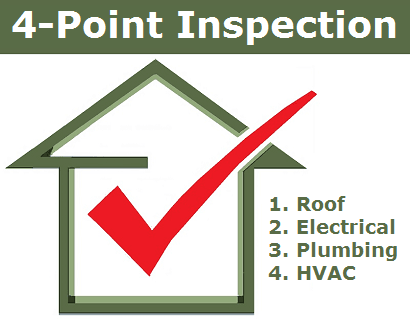
A four-point inspection is a visual assessment of four primary areas of a home:
- Roof
- Electrical system
- Plumbing system
- Heating, ventilation, and air-conditioning system
The inspection documents the apparent condition, age, and characteristics of these systems based on accessible components. The resulting information may be used by an insurance company when evaluating a property.
Requirements can vary between insurance companies and policies, so homeowners should confirm current requirements directly with their insurer.
Why Florida Homeowners Need to Pay Attention
Florida's climate can be demanding on residential properties. High temperatures, heavy rainfall, tropical weather, and humidity can accelerate deterioration of certain building components.
Older homes may also contain aging electrical, plumbing, roofing, or HVAC systems that deserve closer attention.
A professional 4 point home inspection can help homeowners understand the current condition of these major systems and identify visible concerns that may need attention.
Rather than waiting until a problem becomes an emergency, homeowners can use the inspection as an opportunity to become more proactive about maintenance.
The Roof Is a Major Focus
The roof is one of the most important protective components of a Florida home. It shields the structure from intense sunlight, wind, and heavy rain.
During a four-point inspection, an inspector may document accessible roofing materials, approximate age, visible deterioration, and other observable conditions.
Homeowners should watch for:
- Missing or damaged roofing materials
- Deteriorated flashing
- Visible leaks
- Damaged roof penetrations
- Signs of water intrusion
- Areas of apparent deterioration
If a roof is approaching the end of its expected service life, homeowners may want to have it evaluated by a qualified roofing professional.
Electrical Systems Require Careful Attention
Electrical systems are another important part of the inspection. Older properties can contain outdated components or conditions that may require correction.
Homeowners should make sure the electrical panel is accessible before the inspection. Boxes, shelving, furniture, or stored items should not block the inspector's access.
Visible concerns may include damaged outlets, exposed wiring, improper installations, or other conditions that warrant professional attention.
Electrical repairs should always be performed by appropriately qualified professionals.
Plumbing Problems Can Become Expensive
A small plumbing leak may seem insignificant, but hidden moisture can eventually damage cabinets, flooring, walls, and other building materials.
Before an inspection, homeowners should look for:
- Leaking faucets
- Damaged supply lines
- Corrosion
- Leaks beneath sinks
- Water stains
- Problems around the water heater
- Slow or malfunctioning fixtures
Addressing known plumbing problems before they worsen can help protect the property while reducing the possibility of expensive secondary damage.
HVAC Condition Matters in Florida
Florida homeowners depend heavily on air conditioning, particularly during the hottest months of the year. A poorly maintained HVAC system can affect comfort, efficiency, and indoor moisture management.
During preparation, homeowners should replace excessively dirty filters and ensure that the equipment is accessible.
Professional HVAC maintenance can help identify issues such as drainage problems, unusual operation, inadequate airflow, or equipment deterioration.
Documentation showing previous HVAC servicing can also be useful for maintaining a record of the system.
How to Prepare for the Inspection
Homeowners can make the inspection process more efficient by preparing several days or weeks in advance.
Start by checking the four major systems and looking for obvious maintenance concerns. Make sure the inspector can access the electrical panel, HVAC equipment, water heater, attic access, and other relevant areas.
It is also helpful to gather documentation such as:
- Roof installation or replacement records
- HVAC service records
- Plumbing repair receipts
- Electrical upgrade documentation
- Previous inspection reports
- Equipment information
Good documentation can help establish the history and age of important systems.
Don't Wait Until the Last Minute
One of the most common mistakes homeowners make is scheduling an inspection without allowing enough time to address known problems.
If you are preparing for a 4 point home inspection, start early. Walk through the property, identify obvious concerns, and contact appropriate professionals when repairs or additional evaluations are necessary.
This approach is much better than discovering a significant maintenance issue immediately before an insurance deadline.
Does an Inspection Mean the Home Has "Passed"?
It is important to understand that a four-point inspection is not necessarily a traditional pass-or-fail examination.
The inspector documents observed conditions and provides information about the property's major systems. An insurance company may then use that information according to its own underwriting guidelines.
If an issue is identified, homeowners should review the report and determine what corrective action may be appropriate. In some situations, repairs, additional documentation, or a specialist evaluation may be necessary.
The Benefits Go Beyond Insurance
Although insurance requirements may be one reason to arrange a four-point inspection, homeowners can gain additional benefits from understanding their property's major systems.
An inspection can help with:
- Preventive maintenance
- Budget planning
- Identifying visible safety concerns
- Understanding system ages
- Preparing for future replacements
- Protecting property value
This information can be particularly useful when purchasing an older home or planning major renovations.
Smart Home Maintenance in 2026
As Florida homeowners continue dealing with changing weather conditions and rising maintenance costs, preventive property care is more valuable than ever.
Regularly monitoring major systems allows homeowners to address deterioration before it becomes an emergency. A professional inspection provides an independent assessment that can complement routine maintenance and contractor evaluations.
The goal should not simply be to satisfy an insurance requirement. It should be to understand the condition of the property and make informed decisions about its future.
Conclusion
The roof, electrical system, plumbing, and HVAC system are four of the most important components of a Florida home. Keeping these systems properly maintained can protect the property, reduce unexpected expenses, and support long-term ownership.
A professional 4 point home inspection provides homeowners with useful information about these major systems and may also play an important role in the insurance process, depending on the insurer's requirements.
In 2026, proactive homeowners are taking a closer look at the systems that protect their homes every day. Preparing early, maintaining good records, addressing known problems, and scheduling a professional inspection can help make property ownership more predictable and financially manageable.

About Premium Author
This post has been authored and published by one of our premium contributors, who are experts in their fields. They bring high-quality, well-researched content that adds significant value to our platform.

Popular Categories
Stay Connected
Recent Posts