
Access to reliable electricity is important in many situations. Homes, businesses, farms, construction sites, outdoor events, and emergency teams all need dependable power sources. In locations where electricity is unavailable or unstable, people often look for alternative energy solutions.
For many years, traditional generators have been one of the most common choices. They can quickly provide electricity by using fuel. However, rising fuel costs and growing environmental concerns have encouraged people to explore renewable energy options.
One solution that is becoming more popular is portable wind energy technology. These systems generate electricity by using natural wind instead of fuel.
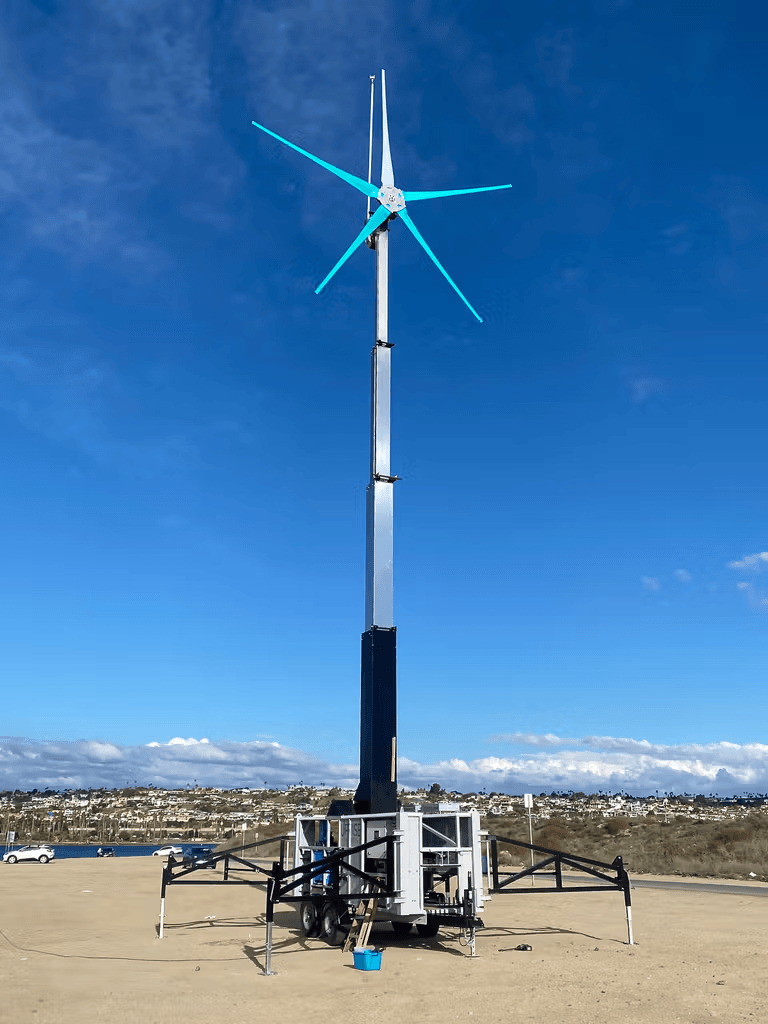
A portable wind turbine generator is designed to provide flexible and renewable energy in different locations. It can be moved easily and used in areas where permanent energy infrastructure may not exist.
Both systems have advantages and disadvantages. Choosing the right one depends on energy needs, location, budget, and long term goals.
Understanding the differences between these two options can help individuals and organizations make better decisions.
Understanding the Differences Between Portable Wind Energy and Traditional Generators
A portable wind turbine generator and a traditional generator work in completely different ways.
One relies on renewable wind energy, while the other depends on fuel to create electricity.
Understanding these differences makes it easier to compare their benefits.
How Traditional Generators Work
Traditional generators convert fuel into electricity.
They usually operate using fuel sources that must be regularly purchased and stored.
When fuel is available, these systems can quickly produce electricity.
Traditional generators are often used for:
- Backup power
- Construction projects
- Emergency situations
- Temporary events
Their biggest advantage is immediate energy production.
How Portable Wind Energy Systems Work
A portable wind turbine generator uses wind to produce electricity.
Instead of burning fuel, the blades capture wind energy and convert it into usable power.
These systems are designed to be transported and installed in various locations.
They are often used for:
- Remote areas
- Agricultural operations
- Outdoor activities
- Research projects
- Off grid applications
Renewable energy makes these systems environmentally friendly.
Comparing Energy Sources
One of the biggest differences is the energy source itself.
Traditional generators depend on fuel supplies.
Portable wind systems depend on natural wind conditions.
Wind is renewable and naturally available in many locations.
Fuel, however, must be purchased continuously.
Cost Differences Over Time
Initial purchase prices vary, but long term operating costs are often very different.
Traditional generators usually require:
- Fuel purchases
- Fuel transportation
- Frequent maintenance
Portable renewable systems may reduce many of these expenses over time.
Long term savings can become significant.
Environmental Impact Comparison
Environmental impact is an important consideration.
Traditional generators can produce emissions during operation.
Portable wind systems generate electricity without burning fuel.
This helps reduce:
- Air pollution
- Carbon emissions
- Dependence on fossil fuels
Cleaner energy supports environmental sustainability.
Noise Levels
Noise can affect comfort and productivity.
Traditional generators often create noticeable sound during operation.
Portable renewable systems are generally quieter.
Lower noise levels create more comfortable environments.
Fuel Availability Challenges
Remote locations sometimes face fuel delivery challenges.
Bad weather, transportation delays, or supply shortages can create difficulties.
A portable wind turbine generator reduces dependence on fuel deliveries.
This creates greater energy security.
Flexibility and Mobility
Both systems offer portability, but renewable systems provide additional flexibility.
Portable wind technology can be moved to different locations whenever needed.
This makes it useful for changing work environments.
Organizations can adapt energy solutions more easily.
Which Energy Solution Is Better for Long Term Use?
A portable wind turbine generator often becomes more attractive when considering long term benefits.
However, each situation is different.
The best choice depends on specific needs and circumstances.
Benefits for Remote Locations
Remote locations often have limited access to electrical infrastructure.
Portable renewable energy systems can provide dependable support in these areas.
Benefits include:
- Reduced fuel dependency
- Lower transportation costs
- Greater energy independence
- Flexible deployment
These advantages improve long term operations.
Supporting Sustainable Development
Sustainability has become a priority for many organizations.
Portable renewable systems support environmental goals by reducing pollution.
Sustainable energy helps protect natural resources for future generations.
Environmental responsibility continues to grow in importance.
Lower Operating Expenses
Operating expenses are an important consideration.
Traditional generators require ongoing spending on fuel.
Portable renewable energy systems reduce many recurring expenses.
Organizations may save money over time.
These savings can improve financial stability.
Helping Agricultural Operations
Agricultural areas often operate far from urban infrastructure.
Reliable energy is important for daily activities.
Portable systems may support:
- Water pumps
- Lighting systems
- Equipment charging
- Small operational tasks
Energy access improves productivity.
Supporting Construction Projects
Construction sites frequently change locations.
Portable energy solutions can move with project needs.
This flexibility allows teams to maintain reliable power.
Portable systems can support temporary operations effectively.
Providing Backup Power
Both systems can provide backup energy.
Backup power helps maintain operations during unexpected outages.
Organizations may use renewable systems alongside other energy sources.
Multiple energy options improve reliability.
Encouraging Energy Independence
Energy independence allows organizations to control their own energy production.
Portable wind systems reduce reliance on external fuel supplies.
Greater independence creates more stability.
Organizations become less vulnerable to supply disruptions.
Supporting Emergency Operations
Emergency response teams need reliable energy quickly.
Portable renewable systems can support:
- Communication devices
- Temporary shelters
- Lighting equipment
- Critical systems
Reliable electricity improves emergency preparedness.
Maintenance Requirements
Every energy system requires maintenance.
Traditional generators often need more frequent servicing due to fuel based components.
Portable renewable systems may have fewer daily operational requirements.
Regular inspections still remain important.
Proper maintenance extends equipment life.
Building a Positive Environmental Image
Environmental responsibility matters to many people today.
Organizations that invest in renewable energy often improve their reputation.
Positive environmental practices may increase trust among:
- Customers
- Employees
- Communities
A strong reputation supports long term growth.
Preparing for Future Energy Demands
Energy demand continues increasing around the world.
Renewable energy technologies will likely play a larger role in future energy systems.
Portable solutions provide flexibility as energy needs evolve.
Organizations that prepare early may gain advantages.
Hybrid Energy Solutions
Many organizations choose to combine energy systems.
Hybrid approaches can improve reliability.
Combining different energy sources creates stronger energy networks.
This strategy helps maintain stable operations.
Factors to Consider Before Choosing
Before selecting an energy system, organizations should evaluate:
- Location conditions
- Energy requirements
- Available budget
- Long term goals
- Environmental priorities
Careful planning helps identify the best solution.
The Future of Portable Renewable Energy
Portable renewable energy technology will continue improving.
Future systems may become:
- More efficient
- Easier to transport
- More affordable
- More powerful
As technology advances, portable energy solutions will likely become more common.
Organizations around the world are increasingly interested in cleaner energy options.
Conclusion
Both traditional generators and renewable energy systems have valuable uses. The right choice depends on specific energy needs and operating conditions.
A portable wind turbine generator offers many long term advantages, including lower operating costs, reduced environmental impact, greater energy independence, and improved sustainability.
Traditional generators still provide quick access to electricity, especially when immediate power is necessary.
However, renewable energy is becoming an increasingly attractive option for long term planning.
As energy demands continue growing, flexible and sustainable solutions will become even more important.
Investing in cleaner energy technologies today can help create a more reliable, cost effective, and environmentally responsible future.