
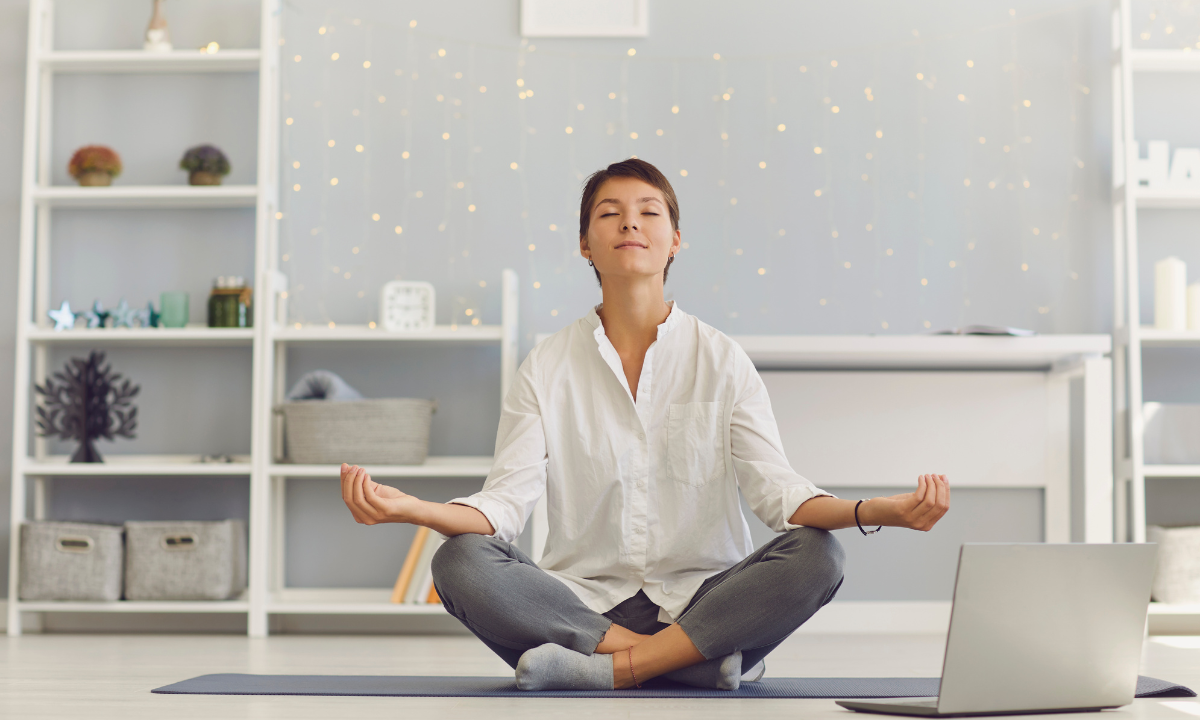
Regular physical activity can significantly improve mental health by reducing stress, boosting mood, and supporting brain function. Exercise triggers the release of chemicals that help people feel calmer, more focused, and emotionally balanced. Because of these effects, movement is often recommended alongside therapy and Anxiety Disorders Treatment to support long-term emotional wellbeing.
Have you ever noticed how your mood changes after a walk, a workout, or even a short stretch break? Many patients who begin therapy or Anxiety Disorders Treatment say they feel mentally lighter on days when they move their bodies. Mental health professionals frequently see this connection: when people start exercising regularly, they often report improvements in sleep, mood, and stress management.
In modern mental health care, treatment rarely focuses on just one solution. Therapy, medication management, and lifestyle habits all play important roles. Exercise has become one of the most recommended habits because it directly affects brain chemistry, emotional regulation, and overall wellbeing.
The Science Behind Exercise and Mental Health
How Physical Activity Affects Brain Chemistry
Exercise influences the brain in powerful ways. When you engage in physical activity, your body releases neurotransmitters such as endorphins, serotonin, and dopamine. These chemicals are responsible for feelings of happiness, calmness, and motivation.
Because of these biological changes, doctors and therapists often recommend physical activity as a supportive strategy during Anxiety Disorders Treatment. Even moderate exercise can reduce symptoms of stress, anxiety, and low mood.
Research has also shown that regular exercise can improve concentration and cognitive flexibility. This can help individuals participate more effectively in therapy sessions, including relationship-focused approaches like Affordable Couples Therapy, where communication and emotional awareness are key.
Reduced Stress Hormones
Another benefit of exercise is its effect on cortisol, the body’s primary stress hormone. High cortisol levels can contribute to anxiety, irritability, sleep problems, and fatigue.
Regular movement helps regulate cortisol levels, which is why many professionals integrate exercise recommendations into treatment plans for Anxiety Disorders Treatment. Over time, this balance can help individuals feel calmer and more resilient when facing daily stressors.
Exercise as a Support Tool in Mental Health Treatment
Complementing Therapy and Clinical Care
Exercise is not a replacement for professional care, but it can greatly support it. For people receiving Anxiety Disorders Treatment, combining therapy, lifestyle changes, and healthy routines often leads to stronger outcomes.
Physical activity can improve emotional stability, which makes it easier for individuals to engage in therapy. For example, people participating in Affordable Couples Therapy may find that exercise reduces tension and improves patience, making conversations more productive.
Therapists frequently encourage clients to incorporate movement into their routines because it helps regulate emotions, improve sleep quality, and boost confidence.
Building Emotional Resilience
Exercise can also strengthen psychological resilience. When someone commits to regular physical activity, they often develop discipline, confidence, and a sense of achievement.
These benefits are especially helpful for people undergoing Anxiety Disorders Treatment, where learning coping skills and building emotional strength are important parts of recovery. Activities like jogging, yoga, swimming, or strength training can help individuals feel more in control of their bodies and emotions.
The Role of Exercise in Relationship Wellbeing
Shared Activities Improve Connection
Physical activity can strengthen relationships as well. Couples who exercise together often experience improved communication and bonding.
When couples participate in healthy routines together, they build shared experiences that reduce stress and encourage teamwork. These positive interactions can complement Affordable Couples Therapy, helping partners practice supportive behaviors outside therapy sessions.
For example, going on regular walks together or joining a fitness class can create opportunities for relaxed conversation and emotional connection.
Managing Stress Within Relationships
Stress is one of the most common triggers for relationship conflict. Exercise helps reduce emotional tension, which can make discussions calmer and more constructive.
Mental health professionals sometimes suggest lifestyle changes, including exercise, to couples participating in Affordable Couples Therapy. When stress levels are lower, partners are better able to listen, empathize, and solve problems together.
In addition, individuals receiving Anxiety Disorders Treatment may experience fewer emotional triggers when they maintain an active lifestyle.
Types of Exercise That Support Mental Health
Aerobic Activities
Aerobic exercise is one of the most effective forms of physical activity for mental health. Activities like walking, cycling, running, and swimming increase heart rate and stimulate endorphin release.
Many individuals undergoing Anxiety Disorders Treatment report that even 20 to 30 minutes of walking each day can reduce feelings of worry and tension.
Mind-Body Exercises
Practices such as yoga, tai chi, and Pilates combine physical movement with breathing techniques and mindfulness. These activities can be especially helpful for stress reduction.
Mind-body exercises are often recommended alongside therapy because they promote relaxation and emotional awareness. People involved in Affordable Couples Therapy may even find that practicing yoga or meditation together improves communication and emotional understanding.
Strength Training
Strength training exercises, including weightlifting or resistance workouts, can also benefit mental health. Building physical strength often leads to improved self-confidence and motivation.
These improvements can positively influence progress during Anxiety Disorders Treatment, as individuals feel more capable of managing stress and challenges.
Creating a Sustainable Exercise Routine
Start Small and Stay Consistent
One of the biggest mistakes people make when starting an exercise routine is trying to do too much too quickly. Sustainable change happens gradually.
Mental health professionals often suggest beginning with small goals, such as 10-minute walks or gentle stretching. Over time, consistency becomes more important than intensity.
This approach works well for individuals receiving Anxiety Disorders Treatment, who may already be managing emotional challenges.
Make Exercise Enjoyable
Exercise should not feel like punishment. Choosing activities that feel enjoyable makes it easier to stay consistent.
Some people enjoy outdoor activities, while others prefer structured gym workouts or group classes. Couples may even combine exercise with relationship growth by participating in activities recommended during Affordable Couples Therapy, such as shared hobbies or wellness routines.
Long-Term Benefits for Mental and Emotional Health
Regular physical activity offers lasting benefits for both mind and body. It can improve sleep quality, increase energy levels, and reduce the risk of depression and anxiety disorders.
For individuals receiving Anxiety Disorders Treatment, maintaining an active lifestyle can help prevent relapse and support long-term emotional balance.
Exercise can also strengthen relationships by reducing stress and improving emotional regulation. When combined with professional care like Affordable Couples Therapy, healthy lifestyle habits create a well-rounded approach to mental wellbeing.
Conclusion
Exercise is one of the most powerful lifestyle habits for supporting mental health. By improving brain chemistry, reducing stress hormones, and strengthening emotional resilience, physical activity can complement therapy and clinical care. When combined with professional treatment, healthy routines can help individuals and couples achieve long-term emotional balance and wellbeing through services like those offered at Massachusetts Mind Center.
FAQs
Can exercise really improve mental health?
Yes. Exercise releases mood-boosting chemicals in the brain, reduces stress hormones, and improves sleep, which can support overall mental wellbeing.
How much exercise is recommended for mental health benefits?
Most experts recommend at least 150 minutes of moderate physical activity per week, but even small amounts can provide mental health benefits.
Can exercise help with anxiety?
Yes. Regular physical activity is often recommended as a supportive strategy during Anxiety Disorders Treatment because it helps reduce stress and improve emotional regulation.
Is exercise helpful for couples experiencing stress?
Yes. Shared physical activities can improve communication and emotional connection, which may complement approaches used in Affordable Couples Therapy.
What is the best type of exercise for mental health?
Any form of movement can help, including walking, yoga, swimming, cycling, or strength training. The best exercise is one that you enjoy and can maintain consistently.