Easy Home Workouts for Beginners Without Equipment
Why Home Workouts Are Perfect for Beginners
Starting a fitness journey can feel overwhelming, especially when gym memberships, machines, and complicated training plans seem necessary. Fortunately, home workouts offer a simple and accessible way to begin exercising without any special equipment.
For beginners, exercising at home removes many common barriers. There is no need to travel, wait for machines, or worry about feeling self-conscious around experienced gym-goers. You can focus entirely on learning proper movement patterns.
Another advantage is flexibility. Home workouts can fit into almost any schedule, whether you have ten minutes before work or a longer session during the evening. Consistency becomes much easier when exercise is convenient.
Most importantly, bodyweight exercises are highly effective. They help improve strength, endurance, balance, and mobility while teaching beginners how to control their own body movements safely.
Benefits of No-Equipment Training
No-equipment workouts use your body weight as resistance. This approach develops functional strength that translates into everyday activities such as climbing stairs, carrying groceries, and maintaining good posture.
These workouts also reduce financial barriers. Many people delay starting fitness because they believe they need expensive equipment. In reality, a small open space in your home is often enough to begin making progress.
Bodyweight training is suitable for various fitness levels. Exercises can be modified to make them easier or harder, allowing beginners to gradually improve without needing additional tools.
Another benefit is convenience during travel or busy periods. Since no equipment is required, you can maintain your routine almost anywhere and avoid losing momentum in your fitness journey.
Preparing for Your First Workout
Before beginning any exercise session, spend a few minutes preparing your body. A proper warm-up increases blood flow, raises body temperature, and helps reduce the risk of injury during movement.
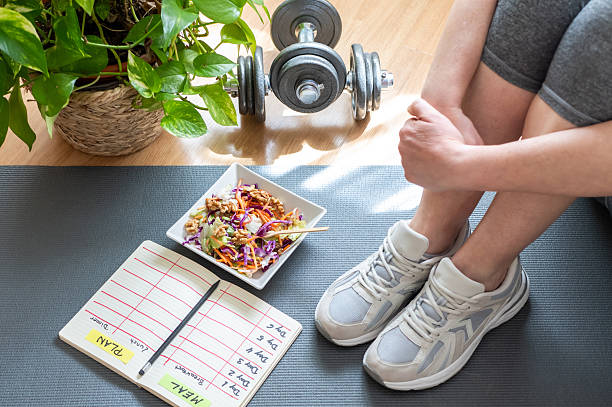
Wear comfortable clothing that allows unrestricted movement. Although specialised workout gear is not necessary, supportive footwear can improve stability and comfort during certain exercises.
Choose a clean and safe area with enough room to move freely. Remove any objects that could create obstacles or hazards while exercising, especially during dynamic movements.
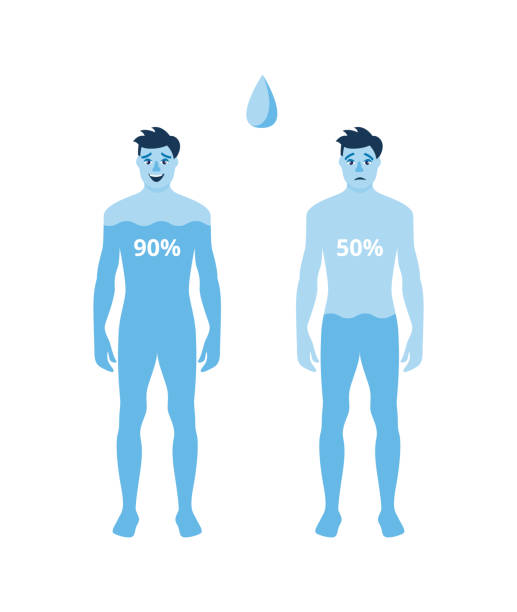
Hydration is also important. Drink water before and after your workout, and keep a bottle nearby if you plan to exercise for an extended period. Proper hydration supports performance and recovery.
Essential Beginner Bodyweight Exercises
Squats are one of the most effective lower-body exercises. They target the thighs, glutes, and core while improving balance and mobility. Beginners should focus on controlled movements and proper posture rather than speed.
Push-ups help strengthen the chest, shoulders, arms, and core. If traditional push-ups feel difficult, start with wall push-ups or knee push-ups until strength improves over time.
Glute bridges are excellent for activating the hips and strengthening the posterior chain. This movement is particularly useful for people who spend long hours sitting during the day.
Planks are a simple but powerful core exercise. Holding a stable plank position helps improve abdominal strength, posture, and overall body stability, creating a strong foundation for future workouts.
A Simple Beginner Workout Routine
A beginner-friendly routine can start with bodyweight squats. Perform ten to fifteen repetitions while maintaining proper form and controlled movement throughout each repetition.
Follow with knee push-ups or wall push-ups. Aim for eight to twelve repetitions depending on your current fitness level. Focus on quality rather than completing a large number of repetitions.
Next, perform glute bridges and hold a plank position. Ten to fifteen glute bridge repetitions combined with a twenty-second plank can provide an effective challenge for beginners.
Repeat the entire circuit two or three times with short rest periods between rounds. This creates a balanced full-body workout that can be completed in less than thirty minutes.
Staying Motivated and Consistent
Consistency is one of the most important factors in achieving fitness results. Rather than focusing on intense workouts, beginners should prioritise creating a sustainable routine they can maintain regularly.
Setting realistic goals helps maintain motivation. Small milestones such as completing three workouts per week often produce better long-term results than ambitious targets that become difficult to sustain.
Tracking progress can also be encouraging. Recording workout sessions, repetitions, or exercise duration allows you to see measurable improvements over time and reinforces positive habits.
Celebrating small victories is equally important. Increased energy, improved endurance, and better movement quality are meaningful achievements that deserve recognition throughout your fitness journey.
Common Mistakes Beginners Should Avoid
One common mistake is doing too much too soon. Many beginners start with excessive workout volume, leading to soreness, fatigue, and reduced motivation after only a few sessions.
Poor exercise technique is another issue. Proper form should always take priority over speed or repetition count. Learning correct movement patterns reduces injury risk and improves workout effectiveness.
Skipping warm-ups and cool-downs can negatively affect performance and recovery. Even a few minutes of preparation and stretching can make a significant difference in how your body feels.
Many beginners also compare themselves to others. Fitness progress varies from person to person, so it is important to focus on your own improvement rather than external comparisons.
Progressing Your Home Workout Routine
As your fitness improves, gradually increase workout difficulty. Adding more repetitions, extra sets, or longer exercise durations can create continued challenges without requiring equipment.
You can also reduce rest periods between exercises. Shorter recovery times increase cardiovascular demand and help improve endurance while maintaining the simplicity of bodyweight training.
Introducing exercise variations is another effective strategy. For example, standard squats can progress to jump squats, while knee push-ups can eventually become full push-ups.
Progress should be gradual and sustainable. Small improvements accumulated over weeks and months often produce better results than dramatic increases that lead to burnout or injury.
Final Thoughts
Easy home workouts for beginners with no equipment provide an accessible and effective way to improve fitness. They eliminate common obstacles while delivering meaningful benefits for strength, endurance, and overall health.
The key to success is consistency rather than perfection. Regular exercise sessions, even short ones, can produce noticeable improvements when performed week after week.
By focusing on foundational bodyweight movements, maintaining proper technique, and progressing gradually, beginners can build confidence and establish healthy long-term habits.
Whether your goal is better fitness, increased energy, or improved wellbeing, a simple no-equipment workout routine at home can be an excellent place to start your journey.

About Premium Author
This post has been authored and published by one of our premium contributors, who are experts in their fields. They bring high-quality, well-researched content that adds significant value to our platform.

Popular Categories
Stay Connected
Recent Posts