Signs of Dehydration and easy Ways to Prevent It Daily
Understanding Dehydration and Why It Matters
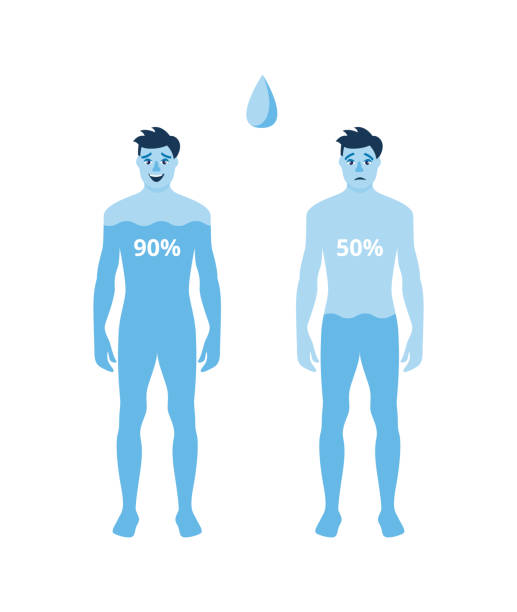
Dehydration occurs when your body loses more fluids than it takes in. Water is essential for nearly every bodily function, including temperature regulation, digestion, circulation, and nutrient transport. Even mild dehydration can affect physical and mental performance.
Many people associate dehydration only with extreme heat or intense exercise. However, it can develop gradually during everyday activities. Busy schedules, insufficient water intake, and excessive caffeine consumption may all contribute to fluid loss.
The body relies on a delicate balance of fluids to function efficiently. When that balance is disrupted, organs and tissues must work harder to maintain normal processes. This can lead to a range of noticeable symptoms.
Recognising dehydration early is important because prompt action can prevent discomfort and reduce the risk of more serious health complications. Understanding the warning signs allows you to respond before symptoms become severe.
Persistent Thirst Can Be an Early Warning Sign
One of the most common signs of dehydration is persistent thirst. Thirst is the body's natural signal that fluid levels are beginning to drop and need replenishment. Ignoring this sensation can allow dehydration to progress further.
Many individuals wait until they feel very thirsty before drinking water. Unfortunately, by the time intense thirst develops, the body may already be experiencing mild dehydration. Consistent hydration throughout the day is generally more effective.
Thirst can become more noticeable during hot weather, exercise, or illness. However, people working indoors or spending long hours at desks can also experience dehydration if they neglect regular fluid intake.
Paying attention to thirst signals and responding promptly helps maintain healthy hydration levels. Keeping water easily accessible can encourage more frequent drinking and reduce the likelihood of fluid deficits.
Dry Mouth and Changes in Saliva Production
A dry or sticky mouth often appears when the body begins conserving fluids. Reduced saliva production can leave the mouth feeling uncomfortable and make swallowing less pleasant than usual.
Saliva plays an important role in oral health. It helps wash away bacteria, supports digestion, and keeps tissues moist. When dehydration reduces saliva production, oral discomfort may become more noticeable.
Some people mistake dry mouth for a temporary annoyance rather than a hydration issue. However, recurring dryness may indicate that fluid intake is not meeting the body's daily requirements.
Increasing water consumption often helps restore normal moisture levels in the mouth. If dryness persists despite adequate hydration, consulting a healthcare professional may be advisable to rule out other causes.
Dark Urine and Reduced Urination Frequency
Urine colour can provide valuable clues about hydration status. Pale yellow urine generally suggests adequate hydration, while darker urine may indicate that the body is conserving water due to fluid shortages.
A decrease in urination frequency can also signal dehydration. When fluid levels decline, the kidneys work to retain as much water as possible, resulting in less frequent bathroom visits.
Several factors can influence urine colour, including medications and dietary choices. However, consistently dark urine combined with other symptoms should not be ignored.
Monitoring urine colour is a simple and practical way to assess hydration throughout the day. Drinking fluids regularly can often help return urine to a lighter, healthier shade.
Fatigue, Weakness, and Reduced Energy Levels
Feeling unusually tired without an obvious reason may sometimes point to dehydration. Water supports blood circulation and nutrient delivery, both of which are essential for maintaining steady energy levels.
When fluid levels fall, the heart may need to work harder to circulate blood efficiently. This increased effort can contribute to feelings of sluggishness and reduced physical endurance.
Mental fatigue can also occur. Many people report difficulty concentrating, slower thinking, or reduced productivity when they are not adequately hydrated throughout the day.
Restoring fluid balance often improves energy and alertness. Drinking water consistently can help support both physical performance and cognitive function during work, exercise, and daily activities.
Headaches and Difficulty Concentrating
Headaches are frequently associated with dehydration. Reduced fluid levels may affect blood flow and electrolyte balance, creating conditions that contribute to headache development.
Some individuals notice headaches after spending extended periods without drinking water. These symptoms may become more pronounced during hot weather or after strenuous physical activity.
Dehydration can also impair concentration and memory. Tasks that normally feel manageable may become more challenging, leading to frustration and reduced efficiency.
Hydrating promptly when symptoms first appear may help alleviate discomfort. Maintaining regular fluid intake throughout the day can reduce the likelihood of dehydration-related headaches and mental fog.
Dizziness and Lightheadedness Should Not Be Ignored
Dizziness is another common sign that the body may need more fluids. When dehydration affects blood volume, circulation can become less efficient, especially when standing up quickly.
Some people experience lightheadedness, balance issues, or a sensation of weakness. These symptoms can interfere with daily activities and increase the risk of falls or accidents.
Hot environments, intense exercise, and illnesses involving vomiting or diarrhoea can increase the likelihood of dizziness related to dehydration. Extra caution is important during these situations.
If dizziness occurs, moving to a cool environment and drinking fluids may help. Persistent or severe symptoms should receive medical attention, particularly if they are accompanied by other concerning signs.
Factors That Increase the Risk of Dehydration
High temperatures and excessive sweating are among the most well-known dehydration risk factors. During hot weather, the body loses fluids more rapidly and requires increased replenishment.
Physical activity can significantly increase water needs. Athletes, outdoor workers, and individuals with physically demanding jobs often require more fluids than those with sedentary lifestyles.
Illnesses involving fever, diarrhoea, or vomiting can accelerate fluid loss. These conditions may lead to dehydration quickly if fluids and electrolytes are not replaced adequately.
Older adults and young children are often more vulnerable to dehydration. Age-related changes, reduced thirst perception, and dependency on caregivers can increase the risk in these populations.
Effective Ways to Prevent Dehydration Every Day
Preventing dehydration begins with developing consistent hydration habits. Drinking water regularly throughout the day is generally more effective than consuming large amounts only when thirst becomes intense.
Carrying a reusable water bottle can serve as a helpful reminder to drink fluids. Many people find that having water within reach increases their daily consumption without requiring significant effort.
Foods with high water content can also contribute to hydration. Fruits and vegetables such as watermelon, cucumber, oranges, and strawberries provide both fluids and valuable nutrients.
During exercise, hot weather, or illness, fluid intake should be increased to compensate for additional losses. Paying attention to the body's signals and maintaining healthy hydration habits can support overall wellbeing, energy, and long-term health.

About Premium Author
This post has been authored and published by one of our premium contributors, who are experts in their fields. They bring high-quality, well-researched content that adds significant value to our platform.


Popular Categories
Stay Connected
Recent Posts