Reduce Screen Time Naturally for Better Eye Health
Introduction
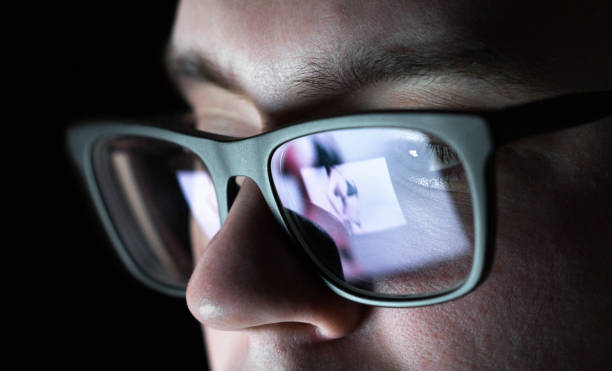
Modern life revolves around screens. Whether for work, education, entertainment, or communication, many people spend hours each day looking at phones, tablets, laptops, and televisions. While technology offers convenience, excessive screen exposure can negatively affect eye health.
Long periods of screen use often contribute to digital eye strain, dry eyes, headaches, blurred vision, and reduced concentration. These symptoms may seem minor at first, but they can become increasingly uncomfortable when screen habits remain unchecked.
Reducing screen time does not mean abandoning technology altogether. Instead, it involves creating healthier digital habits that support productivity while protecting vision. Small adjustments can make a significant difference over time.
Understanding how screens affect the eyes is the first step toward making positive changes. With the right strategies, it is possible to enjoy technology while maintaining healthy and comfortable vision.
Understanding the Impact of Excessive Screen Time
Digital screens demand constant visual attention. Unlike reading printed text, screen viewing often causes people to blink less frequently, which can lead to dryness and irritation.
The eyes must continually adjust focus when viewing digital content. This repeated effort can strain eye muscles, especially during long work sessions or extended periods of scrolling on mobile devices.
Blue light emitted from screens is another concern. While normal exposure is generally considered safe, prolonged evening use may interfere with natural sleep patterns, indirectly affecting overall eye comfort and recovery.
Many individuals experience symptoms without recognising the cause. Eye fatigue, headaches, neck discomfort, and difficulty concentrating are often linked to excessive screen use and poor visual habits.
Recognising Signs of Digital Eye Strain
One of the earliest warning signs is tired or aching eyes after extended screen sessions. Many people notice discomfort near the end of the workday or after prolonged device use.
Blurred vision can also occur when the eyes remain focused at the same distance for long periods. This temporary issue usually improves after resting the eyes.
Dryness, burning sensations, and excessive tearing are common symptoms. These problems often develop because blinking frequency decreases significantly when looking at screens.
Frequent headaches and difficulty maintaining focus may indicate that screen habits need attention. Recognising these symptoms early allows individuals to adopt healthier practices before discomfort becomes more severe.
Setting Daily Screen Time Limits
Establishing clear boundaries is one of the most effective ways to reduce screen exposure. Many people underestimate how much time they spend on digital devices throughout the day.
Tracking screen usage can reveal surprising patterns. Most smartphones and computers include built-in tools that provide detailed reports on daily device activity.
Creating realistic limits helps encourage gradual improvement. Reducing screen time by thirty to sixty minutes daily may be more sustainable than attempting dramatic changes immediately.
Consistency matters more than perfection. Even modest reductions can decrease eye strain and create opportunities for healthier activities that support overall well-being.
Following the 20-20-20 Rule
Eye care professionals often recommend the 20-20-20 rule as a simple method for reducing visual fatigue. This technique requires very little effort yet offers meaningful benefits.
Every twenty minutes, look at an object approximately twenty feet away for at least twenty seconds. This brief pause allows eye muscles to relax from continuous close-up focus.
Regular visual breaks help prevent fatigue that accumulates throughout the day. They also encourage more natural blinking, which supports healthy tear production.
Setting reminders can make this habit easier to maintain. Over time, the practice becomes automatic and contributes significantly to improved visual comfort.
Creating a Screen-Friendly Workspace
Workspace design plays a major role in eye health. Poor screen positioning often increases strain by forcing the eyes and neck into uncomfortable positions.
Ideally, computer screens should be placed at arm’s length and slightly below eye level. This arrangement promotes a more natural viewing angle and reduces unnecessary effort.
Lighting conditions also matter. Excessive glare from windows or bright overhead lights can force the eyes to work harder when viewing digital content.
Adjusting brightness and contrast settings can further improve comfort. A well-organised workspace supports both productivity and long-term eye health.
Replacing Screen-Based Activities
Many leisure activities today involve screens, but alternative options can help reduce unnecessary exposure while enriching daily life.
Reading printed books remains an excellent substitute for digital entertainment. Physical books eliminate screen glare and provide a relaxing visual experience.
Outdoor activities offer additional benefits. Walking, cycling, gardening, or spending time in nature allows the eyes to focus on distant objects and enjoy natural light.
Creative hobbies such as drawing, crafting, cooking, or playing musical instruments can also reduce screen dependence while supporting mental well-being and personal growth.
Improving Sleep by Reducing Evening Screen Use
Screen use before bedtime can affect sleep quality. Exposure to bright screens during evening hours may interfere with the body's natural sleep-wake cycle.
Poor sleep can contribute to eye fatigue and make visual discomfort feel more noticeable during the following day. Healthy rest is essential for overall recovery.
Reducing screen exposure at least one hour before bedtime can support better sleep habits. This simple adjustment often leads to noticeable improvements in energy and comfort.
Instead of scrolling through devices, consider reading a printed book, practising relaxation techniques, or engaging in other calming activities before sleep.
Encouraging Healthy Screen Habits for Children
Children are spending increasing amounts of time on digital devices. Establishing healthy habits early can help protect developing eyes and encourage balanced lifestyles.
Parents can create screen-free periods during meals, family activities, and bedtime routines. These boundaries help reduce unnecessary device use.
Outdoor play is especially valuable for children. Time spent outside supports physical health and encourages visual activities that differ from close-up screen viewing.
Leading by example is equally important. When adults demonstrate healthy technology habits, children are more likely to adopt similar behaviours and maintain them over time.
Long-Term Benefits of Reduced Screen Time
Reducing screen time can produce benefits that extend beyond eye health. Many individuals experience improved concentration, productivity, and mental clarity after limiting unnecessary device use.
Less screen exposure often encourages healthier daily routines. Increased physical activity, better sleep, and stronger social interactions frequently follow reduced digital dependence.
Eye comfort also improves over time. Fewer episodes of dryness, fatigue, and headaches can contribute to a more enjoyable and productive daily experience.
Although screens remain an essential part of modern life, balanced use is key. Developing mindful technology habits helps protect vision while supporting long-term physical and mental well-being.
Conclusion
Reducing screen time is one of the most practical ways to support better eye health in a digital world. Excessive screen exposure can contribute to eye strain, dryness, headaches, and sleep disturbances, but these challenges are often manageable with simple lifestyle adjustments.
By setting screen limits, taking regular visual breaks, creating a comfortable workspace, and replacing some digital activities with offline alternatives, individuals can significantly reduce strain on their eyes. Healthy sleep habits and mindful technology use further enhance these benefits.
Protecting your vision does not require eliminating screens completely. Instead, it involves creating balance and making intentional choices that support both productivity and long-term eye comfort.
Small daily improvements can lead to lasting results. By adopting healthier screen habits today, you can enjoy clearer, more comfortable vision and improved overall well-being for years to come.

About Premium Author
This post has been authored and published by one of our premium contributors, who are experts in their fields. They bring high-quality, well-researched content that adds significant value to our platform.

Popular Categories
Stay Connected
Recent Posts