Beginners Guide to Building a Balanced Healthy Diet

Introduction
Creating a balanced and healthy diet plan is one of the most effective ways to improve overall wellbeing. Good nutrition supports physical health, mental performance, energy levels, and long-term disease prevention.
Many beginners assume healthy eating requires strict rules or complicated meal plans. In reality, a balanced diet focuses on consistency, variety, and making informed food choices that support your individual needs.
This guide explains the essential principles of healthy eating and provides practical strategies for building a sustainable diet plan. By understanding the basics, anyone can develop healthier habits without feeling overwhelmed.
Understanding What a Balanced Diet Means
A balanced diet provides the body with the nutrients needed to function efficiently. These nutrients include carbohydrates, proteins, fats, vitamins, minerals, and water. Each nutrient plays a unique role in maintaining health and supporting daily activities.
Balance does not mean eating only specific foods or eliminating entire food groups. Instead, it involves consuming a variety of foods in appropriate amounts to meet nutritional requirements while maintaining enjoyment and flexibility.
Healthy eating patterns focus on overall dietary habits rather than individual meals. Occasional indulgences can fit within a balanced diet when most food choices consistently support nutritional goals.
Developing a balanced approach also helps create a healthier relationship with food. Rather than focusing on restrictions, individuals learn to make choices that nourish their bodies while still enjoying favourite meals.
The Importance of Macronutrients
Macronutrients are nutrients the body requires in larger amounts. They include carbohydrates, proteins, and fats, all of which contribute to energy production and essential bodily functions.
Carbohydrates serve as the body's primary energy source. Whole grains, fruits, vegetables, and legumes provide quality carbohydrates that supply fibre and valuable nutrients alongside energy.
Protein supports muscle maintenance, tissue repair, hormone production, and immune function. Good protein sources include lean meats, fish, eggs, dairy products, beans, lentils, and plant-based alternatives.
Healthy fats are equally important for brain function, hormone balance, and nutrient absorption. Sources such as nuts, seeds, avocados, olive oil, and oily fish provide beneficial fats that contribute to overall health.
Choosing Nutrient-Dense Foods
Nutrient-dense foods deliver significant amounts of vitamins, minerals, and beneficial compounds relative to their calorie content. Including these foods regularly helps improve overall dietary quality.
Fresh vegetables should form a substantial portion of most meals. They provide fibre, antioxidants, and essential nutrients that support digestion, immunity, and long-term health.
Fruits offer natural sweetness while supplying vitamins, minerals, and hydration. Consuming a variety of colours throughout the week helps maximise nutrient intake and dietary diversity.
Whole grains, lean proteins, and healthy fats further contribute to nutrient density. Selecting minimally processed foods whenever possible allows individuals to gain more nutritional value from their daily meals.
Understanding Portion Control
Even healthy foods can contribute to excess calorie intake when consumed in very large quantities. Portion control helps maintain balance while supporting weight management and overall health objectives.
Learning to recognise appropriate serving sizes is a valuable skill for beginners. Paying attention to hunger and fullness cues can help prevent overeating without requiring constant calorie tracking.
Using smaller plates and eating slowly are practical strategies that encourage mindful eating. These habits provide the brain with sufficient time to register fullness and satisfaction during meals.
Portion control should not feel restrictive. The goal is to develop awareness and moderation while ensuring the body receives adequate nourishment and energy throughout the day.
Building Balanced Meals
A simple way to build balanced meals is by combining multiple food groups. This approach helps ensure a wider range of nutrients and promotes better satiety after eating.
Vegetables can occupy a large portion of the plate, providing fibre and volume. Protein sources help maintain fullness, while whole grains or other complex carbohydrates provide sustained energy.
Including healthy fats further enhances meal quality and satisfaction. Small amounts of nuts, seeds, avocado, or olive oil can improve flavour while contributing important nutrients.
Balanced meals help stabilise blood sugar levels and reduce energy fluctuations. Consistently combining nutrients in this way supports better concentration, productivity, and overall wellbeing.
The Role of Hydration in a Healthy Diet
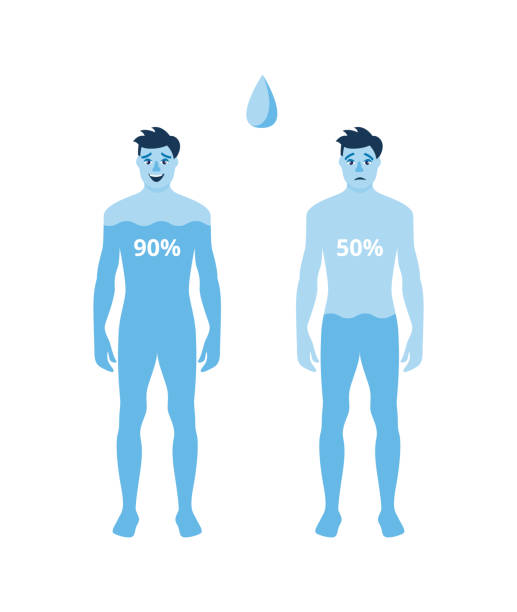
Hydration is often overlooked despite being a critical component of good nutrition. Water supports digestion, temperature regulation, nutrient transport, and numerous other bodily functions.
Many people mistake thirst for hunger, leading to unnecessary snacking. Maintaining adequate fluid intake throughout the day can help support appetite regulation and energy levels.
Water remains the best choice for hydration in most situations. Unsweetened teas, infused water, and certain low-calorie beverages may also contribute to daily fluid intake.
Hydration needs vary depending on activity levels, climate, and individual factors. Developing a habit of drinking water consistently throughout the day can significantly improve overall health.
Meal Planning for Long-Term Success
Meal planning reduces uncertainty and makes healthy eating more manageable. Having a general plan helps minimise impulsive food choices and supports consistency throughout the week.
Preparing meals in advance can save time and reduce stress during busy periods. Even simple preparation tasks, such as washing vegetables or cooking grains ahead of time, can be beneficial.
Successful meal planning should remain flexible rather than rigid. Life circumstances change, and adaptability helps individuals maintain healthy habits without feeling discouraged by occasional disruptions.
A practical meal plan includes foods that are both nutritious and enjoyable. Sustainable dietary changes are more likely to succeed when they align with personal preferences and lifestyle needs.
Common Mistakes Beginners Should Avoid
Many beginners fall into the trap of following overly restrictive diets. Extreme approaches may produce short-term results but often prove difficult to maintain over extended periods.
Skipping meals is another common mistake. While it may seem helpful for reducing calorie intake, it can increase hunger later and lead to overeating or poor food choices.
Relying heavily on processed "health" products can also create confusion. Marketing claims do not always reflect nutritional quality, making it important to read labels and understand ingredients.
Comparing personal progress to others can undermine motivation. Every individual has unique nutritional requirements, goals, and circumstances that influence their dietary journey.
Creating Sustainable Healthy Eating Habits
Sustainable habits are built gradually through small, consistent improvements. Focusing on one or two changes at a time often produces better long-term results than attempting a complete dietary overhaul.
Setting realistic expectations is essential. Progress may occur slowly, but steady improvements in food choices can lead to meaningful health benefits over time.
Healthy eating should complement daily life rather than dominate it. Flexibility allows individuals to enjoy social occasions, celebrations, and favourite foods without abandoning their overall goals.
A balanced and healthy diet plan is ultimately about consistency, variety, and mindful decision-making. By applying these principles regularly, beginners can create lasting habits that support lifelong health and wellbeing.
Conclusion
Creating a balanced and healthy diet plan does not require perfection. Understanding nutrition basics, choosing nutrient-dense foods, controlling portions, staying hydrated, and planning meals effectively can make healthy eating both practical and sustainable.
By focusing on gradual improvements and maintaining consistency, anyone can build a diet that supports long-term wellness. Small daily choices accumulate over time, creating a strong foundation for better health, increased energy, and improved quality of life.

About Premium Author
This post has been authored and published by one of our premium contributors, who are experts in their fields. They bring high-quality, well-researched content that adds significant value to our platform.


Popular Categories
Stay Connected
Recent Posts