Revocable Living Trust in 2026: Guide to Flexible Estate Planning
Estate planning is changing as families manage increasingly diverse assets and face new financial challenges. In 2026, a person's estate may include real estate, retirement accounts, investment portfolios, business interests, digital property, and other assets that require thoughtful organization. At the same time, families are looking for planning approaches that can adapt when relationships, financial circumstances, and long-term goals change.
A revocable living trust can be an important component of a broader estate plan for individuals who want flexibility while organizing assets for the future. Understanding how this planning tool works, its potential benefits, and the importance of regular reviews can help families make more informed decisions about protecting their financial legacy.
Why Estate Planning Is Evolving in 2026
Traditional estate planning remains important, but modern financial circumstances have introduced additional considerations. Individuals may own assets through multiple institutions, operate businesses, invest through online platforms, or hold valuable digital property.
Family structures have also become more varied. Second marriages, blended families, multiple generations living in different locations, and changing financial responsibilities can all influence long-term planning.
These developments have encouraged people to approach estate planning as an ongoing process rather than a document created once and forgotten. Regular reviews can help ensure that arrangements continue to reflect current priorities.
Understanding the Role of a Trust
A trust is a legal arrangement in which assets are managed by a trustee for the benefit of one or more beneficiaries according to established terms.
The structure and purpose of a trust can vary considerably. Some trusts are designed to provide flexibility during an individual's lifetime, while others may focus on specific long-term objectives.
A properly structured trust can provide instructions for managing assets and may help create a more organized transition when circumstances change or after the creator's death.
Because trusts involve legal requirements and individual circumstances, their usefulness depends on how appropriately they are designed and implemented.
Flexibility Can Be Valuable
Financial and family circumstances rarely stay the same for decades. A person may acquire new property, start a business, experience a change in family relationships, or develop different retirement priorities.
A flexible planning arrangement can make it easier to respond to these changes.
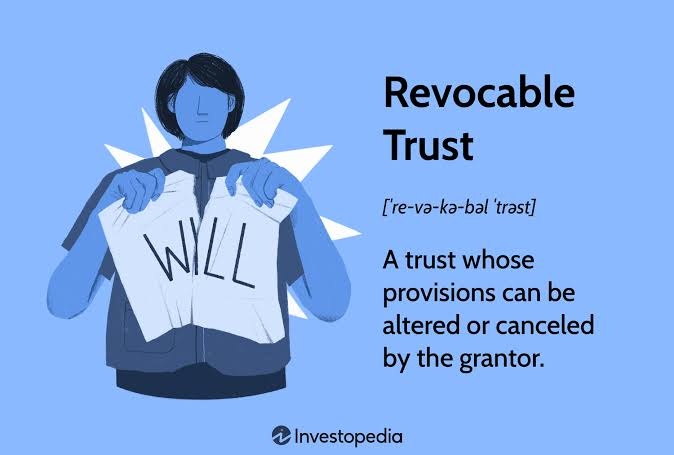
One reason a revocable living trust may appeal to some individuals is that the structure can generally be changed or revoked by the person who created it, subject to its terms and applicable law.
This flexibility can make regular estate plan reviews more practical as life develops.
Digital Assets Are Becoming Part of Estate Planning
The growth of digital wealth is one of the most significant changes affecting modern estate planning.
Cryptocurrency, online businesses, websites, digital investment accounts, intellectual property, and other electronically held assets can represent meaningful financial value. However, these assets may be difficult for family members to locate or manage without appropriate records.
Individuals should consider creating a secure inventory of significant digital property and maintaining relevant ownership information.
Security is especially important. Sensitive credentials should be protected through appropriate methods rather than stored in easily accessible files.
Including digital assets in broader planning discussions can help families avoid overlooking valuable property.
Keeping Financial Records Organized
An effective estate plan depends on accurate information. Individuals should maintain records of property ownership, financial accounts, insurance policies, retirement plans, business interests, and other significant assets.
Keeping these records organized makes periodic reviews easier and can help trusted individuals understand where important information is located.
Digital document management can provide convenience, but security should remain a priority when storing financial and legal information.
Records should also be updated when major financial changes occur. An outdated asset inventory can make an otherwise well-prepared plan more difficult to administer.
Family Communication Matters
Estate planning is not solely about legal documents. Communication can also make a significant difference.
Trusted family members may benefit from knowing where important documents are stored and understanding who may have responsibilities in the future. This does not mean every financial detail needs to be disclosed.
Thoughtful conversations can also help younger generations understand financial responsibility, investing, charitable giving, and long-term wealth preservation.
Clear expectations may reduce confusion during difficult transitions and help families approach future responsibilities with greater confidence.
Review Beneficiaries and Ownership
Beneficiary designations should be reviewed periodically because they can affect how certain financial assets are transferred.
Retirement accounts and insurance policies commonly have beneficiary instructions that may operate independently of other estate planning documents.
Major life events such as marriage, divorce, the birth of a child, or the death of a beneficiary can make a review particularly important.
Asset ownership should also be evaluated to ensure that property is positioned appropriately within the overall plan.
Professional guidance can be valuable when multiple documents, accounts, or ownership structures need to work together.
Prepare for Future Changes
Estate planning should account for more than the possibility of death. Unexpected incapacity, business changes, healthcare needs, relocation, and significant shifts in wealth can all affect an individual's financial priorities.
Regular reviews allow individuals to identify outdated information and make appropriate adjustments.
Technology is also influencing how families manage financial information. Secure cloud storage, digital accounting platforms, and automated financial tools can make organization easier while creating new considerations around privacy and access.
A modern plan should therefore balance flexibility, organization, and security.
Professional Guidance Can Add Value
Estate planning can become complicated when substantial assets, businesses, real estate, blended families, or specialized financial goals are involved.
A qualified estate planning professional can help individuals understand available options and evaluate whether a particular structure fits their circumstances.
Professional guidance can also help identify inconsistencies between different documents, beneficiary designations, and asset ownership arrangements.
The goal is not simply to create more paperwork. Effective planning should provide practical direction and reflect the individual's actual goals.
Looking Toward the Future
As families continue accumulating traditional and digital wealth, estate planning will likely become increasingly personalized. New technology may improve recordkeeping and financial organization, but careful human decision-making will remain essential.
Individuals who review their plans regularly, maintain accurate records, address digital assets, and communicate important responsibilities can create a stronger foundation for the future.
Preparation today can help reduce uncertainty tomorrow while giving families clearer direction during major transitions.
Conclusion
A well-organized estate plan can provide greater confidence while helping protect the financial legacy an individual has spent years building. Flexibility, accurate records, appropriate beneficiary designations, and regular reviews are all important parts of responsible planning.
For individuals considering a revocable living trust, understanding how the arrangement fits within the larger estate plan is essential. With thoughtful preparation and qualified professional

About Premium Author
This post has been authored and published by one of our premium contributors, who are experts in their fields. They bring high-quality, well-researched content that adds significant value to our platform.
Popular Categories
Stay Connected
Recent Posts