Heat Pump Repair: Smart HVAC Maintenance & Efficiency Trends for 2026
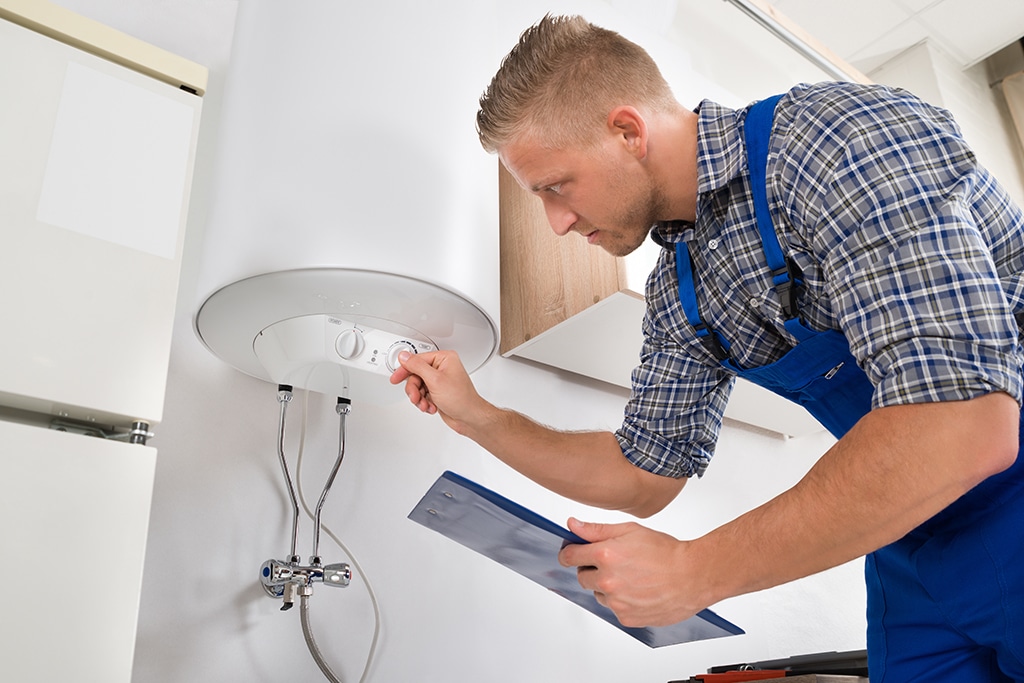
Heat pumps are becoming increasingly important in modern residential heating and cooling as homeowners look for energy-efficient alternatives to conventional HVAC equipment. Unlike traditional systems that rely on separate heating and cooling technologies, heat pumps can provide both functions using a single system. In 2026, advancements in inverter technology, smart controls, refrigerants, artificial intelligence, and predictive diagnostics are making these systems more efficient and adaptable.
As heat pump adoption grows, homeowners are also paying greater attention to maintenance and system reliability. Proper servicing can help maintain efficiency, reduce operating costs, and identify developing problems before they result in unexpected equipment failures.
The latest trends demonstrate that heat pump technology is moving beyond basic heating and cooling toward intelligent climate management designed around efficiency, comfort, and long-term performance.
Why Heat Pumps Are Gaining Popularity
Heat pumps transfer heat rather than generating it directly through combustion. During colder conditions, they can extract available heat from outdoor air and transfer it indoors. During warmer weather, the process can be reversed to remove heat from the home.
This approach can provide efficient year-round climate control while reducing dependence on conventional heating methods.
Modern heat pumps are also available with variable-speed compressors that can adjust capacity according to actual heating or cooling demand. Instead of constantly switching between full operation and shutdown, these systems can operate at lower capacities for longer periods.
This can improve temperature consistency, reduce energy consumption, and minimize mechanical stress.
Advanced Inverter Technology Improves Performance
Inverter-driven compressors are one of the most important developments in modern heat pump technology. Traditional compressors typically operate at predetermined speeds, while inverter systems can vary compressor speed according to changing conditions.
This flexibility allows the system to provide only the capacity required at a particular moment.
During mild weather, the compressor can operate at a lower speed. When outdoor temperatures become more extreme, it can increase capacity to meet the additional demand.
This precise operation can improve efficiency and indoor comfort while reducing frequent start-and-stop cycles.
Smart Controls Are Transforming Heat Pump Management
Smart thermostats and connected HVAC controls are becoming increasingly common with modern heat pump systems. These devices can monitor indoor temperature, humidity, occupancy, outdoor weather, and equipment performance.
Machine-learning technology can analyze household routines and automatically optimize heating and cooling schedules.
Remote monitoring also allows homeowners to adjust settings through smartphone applications and receive notifications about potential system problems.
Smart controls can therefore improve convenience while helping homeowners make better decisions about energy consumption and maintenance.
Predictive Maintenance Is Changing HVAC Service
One of the most significant HVAC trends in 2026 is the transition from reactive repairs toward predictive maintenance. Connected heat pumps can collect information about compressor operation, airflow, temperature changes, electrical performance, and system runtime.
Advanced software can analyze these measurements and identify unusual patterns that may indicate a developing problem.
When heat pump repair becomes necessary, historical operating data can help HVAC professionals understand how the system was performing before the issue occurred. This information can improve diagnostic accuracy and potentially reduce service time.
Predictive maintenance also allows homeowners to address developing problems before they result in complete equipment failure.
Common Warning Signs Should Not Be Ignored
Homeowners should pay attention to changes in heat pump performance. Unusual noises, weak airflow, inconsistent temperatures, excessive cycling, unusual energy consumption, or difficulty reaching the desired temperature may indicate that professional inspection is appropriate.
Reduced performance does not always mean that the entire system needs replacement. Some problems can be associated with airflow restrictions, electrical components, controls, refrigerant-related issues, or other serviceable components.
Early professional evaluation can help determine the underlying cause and prevent minor problems from becoming more expensive.
Environmentally Responsible Refrigerants Are Advancing
Refrigerant technology continues to evolve as the HVAC industry focuses on reducing environmental impact. Manufacturers are developing equipment compatible with newer refrigerant technologies and improving system designs to support efficiency and responsible operation.
Homeowners considering new heat pump equipment should work with qualified professionals who understand current equipment requirements, refrigerant standards, and installation practices.
Correct installation is essential because refrigerant charge, airflow, electrical connections, and system configuration can all influence efficiency.
Cold-Climate Heat Pumps Continue Improving
Cold-climate heat pumps are another important development. Earlier generations of air-source heat pumps could experience significant efficiency challenges during extremely cold conditions. Modern designs use improved compressors, controls, heat exchangers, and defrost strategies to maintain stronger performance in colder weather.
This makes heat pump technology increasingly practical for homeowners who previously relied heavily on traditional heating systems.
However, system selection should always consider local climate conditions, building characteristics, insulation, ductwork, and heating requirements.
Professional Maintenance Remains Essential
Smart technology can provide valuable information, but it does not eliminate the need for professional HVAC service. Heat pumps contain electrical, mechanical, refrigerant, and control components that require specialized knowledge.
Routine professional inspections can help identify airflow restrictions, electrical issues, worn components, unusual operating patterns, and other concerns.
Homeowners should also maintain appropriate filters and keep outdoor equipment clear of leaves, vegetation, snow, and other obstructions.
Combining routine maintenance with intelligent monitoring provides a stronger strategy for maintaining reliable equipment.
The Future of Heat Pump Technology
Heat pump technology will continue evolving throughout 2026 and beyond. Artificial intelligence, variable-speed operation, predictive diagnostics, smart thermostats, advanced refrigerants, and cold-climate improvements are making heat pumps increasingly capable.
For homeowners, these developments can provide greater comfort, improved energy efficiency, and better control over long-term operating costs.
When heat pump repair is approached proactively through regular maintenance and early diagnosis, homeowners can potentially extend equipment life and avoid unnecessary disruptions.
The future of residential heating and cooling is increasingly focused on intelligent, efficient, and sustainable systems. Heat pumps are positioned to remain an important part of that transition as manufacturers continue improving performance and homeowners seek more efficient ways to manage year-round indoor comfort.

About Premium Author
This post has been authored and published by one of our premium contributors, who are experts in their fields. They bring high-quality, well-researched content that adds significant value to our platform.
Popular Categories
Stay Connected
Recent Posts