11 Month Home Warranty Inspection: Protect Your New Home
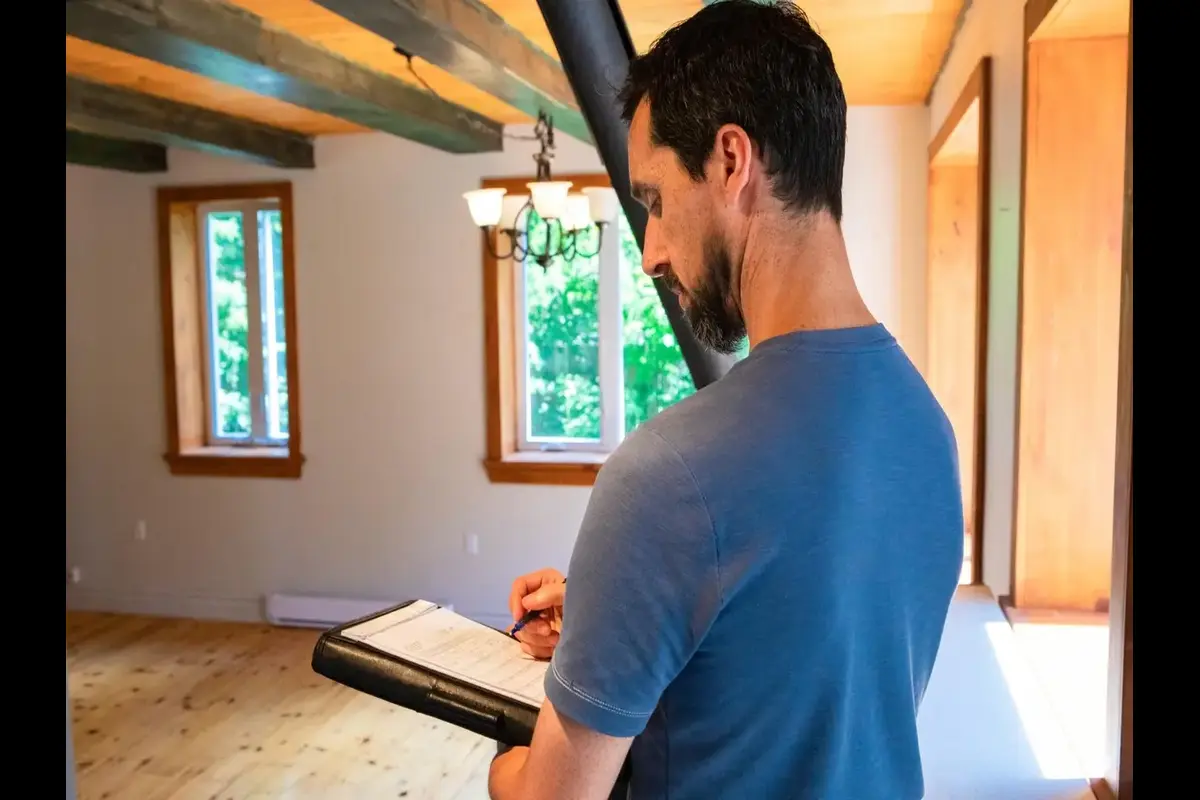
Buying a newly constructed home is an exciting milestone. Everything may look fresh, modern, and complete, but new construction does not mean that every component will remain problem-free during the first year. As a home settles and its systems experience regular use, minor defects and maintenance concerns can become easier to identify.
That is why many homeowners schedule an 11 month home warranty inspection before the builder's one-year warranty period expires. This evaluation can give homeowners an opportunity to identify visible concerns and address eligible items with the builder while warranty coverage is still available.
Why the First Year Matters
The first year of homeownership can reveal conditions that were not apparent during the original walkthrough. Seasonal temperature changes, rainfall, daily use, and normal settlement can expose issues with different parts of the property.
Homeowners may notice:
- Minor drywall cracks
- Doors that no longer close properly
- Window problems
- Plumbing leaks
- HVAC concerns
- Roof-related issues
- Drainage problems
- Electrical deficiencies
- Gaps around exterior components
Some of these conditions may be minor, while others could require prompt attention. A professional evaluation helps homeowners create a documented list of observed concerns.
What Is an 11-Month Warranty Inspection?
An 11-month warranty inspection is a property evaluation performed near the end of a builder's typical one-year warranty period. The goal is to identify visible and accessible conditions that homeowners may want to report before applicable warranty coverage expires.
The inspection can provide an organized overview of areas such as:
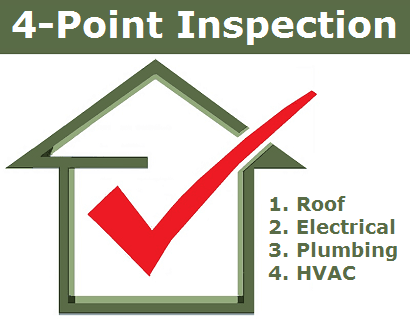
- Roofing components
- Exterior surfaces
- Windows and doors
- Plumbing fixtures
- Electrical components
- HVAC systems
- Interior walls and ceilings
- Floors
- Attic areas
- Drainage and grading
The exact scope depends on the inspection agreement and property characteristics. Homeowners should also review their builder's warranty documentation to understand applicable deadlines, exclusions, and reporting requirements.
Why New Homes Still Need Inspections
There is a common misconception that inspections are only necessary for older properties. In reality, new homes contain numerous components that must work together correctly, and construction defects can occasionally occur.
A home may experience issues related to:
- Installation
- Materials
- Workmanship
- Drainage
- Finishing
- Equipment operation
- Normal settlement
A professional inspection does not assume that something is wrong. Instead, it provides an objective opportunity to identify observable conditions that may deserve attention.
Benefits of Early Identification
Finding a concern before warranty coverage expires can give homeowners more time to communicate with the builder and determine whether corrective work is appropriate.
Early identification may help homeowners:
- Document defects
- Organize repair requests
- Prioritize concerns
- Communicate clearly with the builder
- Avoid overlooking minor problems
Even small issues can be worth documenting when they involve building performance, water intrusion, safety, or components that may become more expensive to repair later.
Areas That Deserve Special Attention
A professional inspection should consider the home's major systems and accessible components rather than focusing only on cosmetic issues.
Roofing
The roof protects the property from weather and moisture. Inspectors may look for visible damage, installation concerns, flashing conditions, drainage issues, and other observable deficiencies.
Plumbing
Leaks, improper drainage, fixture problems, and other plumbing concerns can cause water damage if they remain unresolved.
HVAC
New HVAC systems should operate properly and provide appropriate heating or cooling. Accessible components and visible installation conditions can be reviewed during an inspection.
Electrical
Inspectors may identify visible deficiencies involving accessible electrical components, outlets, switches, panels, and other areas within the inspection scope.
Interior and Exterior
Walls, ceilings, floors, windows, doors, siding, grading, and drainage can all develop noticeable issues during the first year of occupancy.
Why Documentation Matters
A professional inspection report can be especially useful when communicating with a builder. Clear descriptions and photographs can help homeowners organize their concerns and keep a record of observed conditions.
A detailed 11 month home warranty inspection report may include photographs, observations, and recommendations for items that warrant further attention.
Homeowners should provide warranty claims directly to the builder according to the builder's established procedures. An inspection report does not guarantee that a builder will approve or repair every reported item.
Preparing for the Inspection
Homeowners can make the evaluation more productive by keeping a list of concerns noticed during the first year.
Before the inspection, consider noting:
- Recurring plumbing issues
- Doors or windows that stick
- Unusual HVAC behavior
- Water stains
- Cracks or settlement concerns
- Drainage problems
- Electrical issues
- Exterior deterioration
Providing this information to the inspector can help ensure that specific concerns receive appropriate attention within the inspection scope.
The Financial Value of a Warranty Inspection
Home repairs can become expensive, particularly when problems involve roofing, plumbing, HVAC equipment, or water intrusion. Identifying concerns while warranty coverage may still apply can potentially reduce the homeowner's out-of-pocket repair burden, depending on the terms of the warranty.
A professional evaluation can also help homeowners distinguish between routine maintenance and conditions that may warrant discussion with the builder.
The inspection itself is a relatively small investment compared with the potential cost of discovering a significant construction-related issue after warranty coverage has ended.
Why It Matters in 2026
New homeowners are becoming increasingly proactive about protecting their investments. Rather than assuming that a recently constructed property will remain flawless, homeowners can use the final months of the first year to review the home's condition and address concerns appropriately.
An 11 month home warranty inspection provides a practical opportunity to identify observable issues before an applicable builder warranty deadline. It can also give homeowners a useful baseline for future maintenance and property care.
Conclusion
The first year of homeownership provides valuable insight into how a newly constructed property performs under everyday conditions. Small concerns that appear insignificant can sometimes become more complicated when they are ignored.
Scheduling an 11 month home warranty inspection gives homeowners an opportunity to review accessible systems, document potential concerns, and communicate necessary repairs with the builder while applicable warranty coverage may still be available.
For homeowners in 2026, taking this proactive step can provide greater peace of mind, better maintenance planning, and added confidence in protecting a newly constructed home for years to come.

About Premium Author
This post has been authored and published by one of our premium contributors, who are experts in their fields. They bring high-quality, well-researched content that adds significant value to our platform.


Popular Categories
Stay Connected
Recent Posts