Wrong Diagnosis Lawyer | Medical Malpractice & Patient Rights Guide 2026
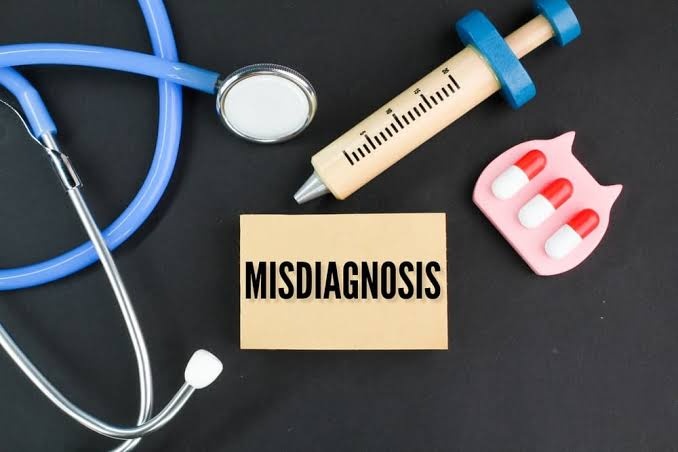
A medical diagnosis can influence almost every decision that follows, from medication and testing to surgery and long-term treatment. When a serious condition is incorrectly diagnosed or overlooked, a patient may experience unnecessary treatment, delayed care, worsening symptoms, or permanent injury.
A wrong diagnosis lawyer can help patients understand whether a diagnostic error may involve medical negligence. However, an incorrect diagnosis alone does not automatically establish malpractice. A thorough evaluation must consider the patient's symptoms, available medical information, applicable professional standards, and whether the error caused or contributed to measurable harm.
What Is a Wrong Diagnosis?
A wrong diagnosis occurs when a healthcare professional incorrectly identifies a patient's medical condition. Diagnostic errors can happen for many reasons, including incomplete examinations, failure to order appropriate tests, misinterpretation of results, or inadequate follow-up.
Potential examples include:
- Misdiagnosing a heart attack
- Missing signs of a stroke
- Overlooking an infection
- Misinterpreting medical imaging
- Incorrectly identifying cancer
- Failing to investigate persistent symptoms
- Failing to refer a patient to an appropriate specialist
- Diagnosing a serious condition as a less significant problem
Some medical conditions are difficult to diagnose because their symptoms overlap with other illnesses. Therefore, determining whether negligence occurred requires an examination of the specific circumstances.
When Does a Diagnostic Error Become Medical Malpractice?
Not every diagnostic mistake qualifies as malpractice. Healthcare professionals may make reasonable decisions based on the information available at the time.
A potential malpractice case may require evidence showing that:
- A healthcare provider owed the patient a professional duty.
- The provider failed to meet the applicable standard of care.
- The failure caused or contributed to the patient's injury.
- The patient experienced legally recognized damages.
Medical experts can help determine whether another reasonably competent provider would likely have taken different diagnostic steps under similar circumstances.
Common Causes of Diagnostic Errors
Diagnostic mistakes can occur at different stages of medical care.
Incomplete Patient Evaluation
A healthcare provider may fail to obtain a complete medical history or perform an appropriate physical examination.
Failure to Order Testing
Certain symptoms may warrant additional laboratory work, imaging, or other diagnostic procedures. Failing to investigate appropriately can potentially contribute to a missed condition.
Misinterpretation of Results
Diagnostic information may be available but incorrectly interpreted. Imaging, laboratory results, or other test findings may contain important clues that require further evaluation.
Communication Problems
Patients may see multiple healthcare professionals during treatment. Poor communication between physicians, specialists, hospitals, and other providers can sometimes contribute to diagnostic mistakes.
Inadequate Follow-Up
A diagnosis may need to be reconsidered when symptoms persist or worsen. Failing to follow up appropriately can allow an incorrect diagnosis to remain uncorrected.
Conditions That Can Be Misdiagnosed
Certain medical emergencies and complex conditions can initially resemble less serious problems.
Examples include:
- Heart attacks
- Strokes
- Cancer
- Spinal infections
- Appendicitis
- Blood clots
- Serious neurological disorders
- Severe infections
The consequences of a diagnostic error depend heavily on the underlying condition and the amount of time before appropriate treatment begins.
How a Wrong Diagnosis Can Affect a Patient
The impact of an incorrect diagnosis may extend beyond physical symptoms. A patient could receive unnecessary treatment while the actual condition continues to progress.
Potential consequences include:
Delayed Treatment
A patient may lose valuable time before receiving appropriate care.
Additional Medical Procedures
An incorrect diagnosis can sometimes lead to unnecessary medication, testing, procedures, or surgery.
Permanent Injury
When treatment is delayed for a serious condition, the patient may suffer lasting physical or neurological impairment.
Increased Medical Costs
Additional treatment, hospitalization, rehabilitation, and medication can create substantial expenses.
Loss of Income
Serious injuries may prevent patients from working temporarily or permanently, creating additional financial difficulties.
Why Medical Records Are Important
Medical records can help establish a timeline of the patient's treatment. They may show what symptoms were reported, what tests were performed, what results were available, and what decisions healthcare professionals made.
Important documentation may include:
- Physician notes
- Emergency department records
- Laboratory results
- CT and MRI reports
- X-rays and other imaging
- Medication records
- Specialist referrals
- Hospital records
- Nursing notes
- Discharge instructions
- Follow-up records
A detailed review can help determine whether warning signs were present and whether appropriate diagnostic steps were taken.
The Role of Medical Experts
Diagnostic malpractice cases often involve complicated medical questions. Expert testimony may be needed to explain whether the healthcare provider acted consistently with accepted professional standards.
Experts may examine:
- The patient's symptoms and medical history
- Available diagnostic information
- Tests that were ordered or omitted
- Interpretation of test results
- Specialist referrals
- Follow-up treatment
- The timing of the eventual correct diagnosis
Experts may also consider whether earlier diagnosis and treatment could reasonably have prevented or reduced the patient's injuries.
Potential Compensation
When negligent medical care causes significant harm, a patient may experience losses involving treatment, employment, and quality of life.
Depending on applicable law, potential damages may include:
- Medical expenses
- Corrective treatment
- Rehabilitation
- Prescription medications
- Future medical care
- Lost wages
- Reduced earning capacity
- Long-term care
- Physical pain
- Emotional distress
- Diminished quality of life
The availability and value of damages depend on the facts of the case and the law applicable to the patient's location.
Technology and Diagnostic Errors in 2026
Healthcare technology continues to influence how conditions are identified and how potential diagnostic mistakes are investigated.
Electronic health records can provide detailed timelines of symptoms, testing, referrals, and treatment decisions. Advanced imaging can provide important information about a patient's condition, while artificial intelligence and clinical decision-support systems are increasingly being used to assist healthcare professionals.
These technologies can create valuable evidence, but they do not independently determine whether negligence occurred. Medical experts must interpret the information within the context of the patient's condition and the circumstances at the time of treatment.
What Should Patients Do After a Suspected Wrong Diagnosis?
Patients should prioritize receiving appropriate medical care if they believe their condition was incorrectly diagnosed. They can also preserve potentially important information.
Consider these steps:
- Seek appropriate medical treatment.
- Request complete medical records.
- Keep copies of test results and diagnostic imaging.
- Document symptoms and changes in your condition.
- Preserve medical bills and treatment expenses.
- Record missed work and lost income.
- Keep relevant communications with healthcare providers.
- Seek qualified legal guidance promptly.
Medical malpractice laws and filing deadlines vary by jurisdiction, so timely advice can be important.
How a Potential Case Is Investigated
A thorough investigation may reconstruct the patient's treatment from the first medical visit through the eventual diagnosis.
A legal team and medical experts may review:
- What symptoms were reported
- What examinations were performed
- Which tests were ordered
- What the results showed
- Whether the results were properly interpreted
- Whether appropriate follow-up occurred
- When the correct diagnosis was eventually made
- Whether the delay caused additional harm
This evidence can help establish whether the diagnostic error was a reasonable medical judgment or a potentially preventable departure from the applicable standard of care.
Choosing Legal Representation
When researching a wrong diagnosis lawyer, patients should consider experience with medical malpractice and diagnostic-error cases. Because these matters often depend on expert medical evidence, experience working with qualified medical professionals can also be valuable.
Potential questions include:
- Does the lawyer handle diagnostic malpractice cases?
- Has the lawyer handled cases involving similar injuries?
- How are medical experts selected?
- How will the medical records be reviewed?
- What evidence is needed to establish causation?
- What deadlines may apply?
- How are legal fees and case expenses handled?
A careful legal evaluation can help a patient understand whether the available evidence supports a potential claim.
Conclusion
A wrong diagnosis can have serious consequences, particularly when it delays treatment for a dangerous medical condition. Patients may face additional medical procedures, worsening illness, permanent injuries, financial losses, and significant changes to their quality of life.
However, an incorrect diagnosis does not automatically mean malpractice occurred. A potential claim requires careful evaluation of the medical facts, professional standards, causation, damages, and applicable law.

About Premium Author
This post has been authored and published by one of our premium contributors, who are experts in their fields. They bring high-quality, well-researched content that adds significant value to our platform.
Popular Categories
Stay Connected
Recent Posts