10 Best Foods to Boost Your Immune System Naturally
Why Nutrition Matters for Immune Health
Your immune system works around the clock to protect your body from harmful bacteria, viruses, and other threats. While no single food can prevent illness entirely, a balanced diet provides essential nutrients that help immune cells function effectively.
The body relies on vitamins, minerals, antioxidants, and healthy fats to maintain strong immune responses. When nutritional needs are met consistently, the immune system is better equipped to defend against infections and recover from illness.
Poor dietary habits can contribute to nutrient deficiencies that may weaken immune performance over time. Highly processed foods often lack the nutrients needed to support optimal health and wellness.
Choosing nutrient-dense foods daily creates a strong foundation for long-term immune resilience. Combining healthy eating habits with adequate sleep and regular exercise further enhances overall wellbeing.
Citrus Fruits and Vitamin C Power
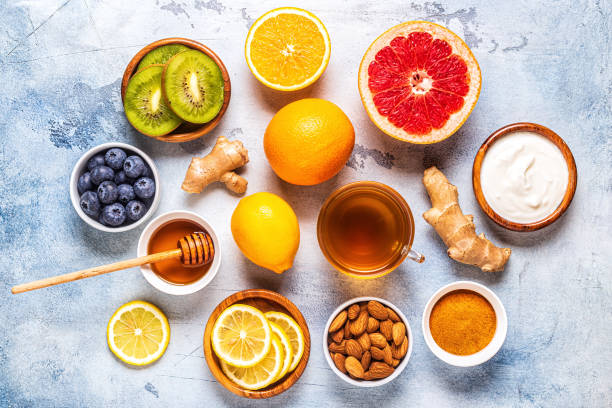
Citrus fruits are among the most popular immune-supporting foods because they are rich in vitamin C. This essential nutrient helps support the production and function of white blood cells, which play a crucial role in immune defense.
Oranges, lemons, grapefruits, limes, and mandarins are excellent sources of vitamin C. Including a variety of these fruits in your diet can help ensure consistent nutrient intake throughout the year.
Vitamin C also acts as a powerful antioxidant, helping to protect cells from damage caused by free radicals. This protective effect supports healthy immune function and contributes to overall wellness.
Fresh citrus fruits can be enjoyed as snacks, added to salads, blended into smoothies, or infused into water. Their versatility makes them easy to incorporate into a healthy daily routine.
Garlic and Its Natural Immune Benefits
Garlic has been valued for centuries in traditional wellness practices. It contains sulfur compounds, including allicin, which are believed to contribute to its immune-supporting properties.
Research suggests that garlic may help support the body's natural defense mechanisms. Its unique compounds have been studied for their potential effects on immune cell activity and overall health maintenance.
Beyond immune support, garlic offers cardiovascular benefits and contributes to a flavorful diet without adding excess calories. It is a simple ingredient that delivers multiple nutritional advantages.
Adding fresh garlic to soups, stews, sauces, and roasted vegetables can increase both flavour and nutritional value. Regular consumption may help support a healthy lifestyle over time.
Leafy Green Vegetables for Essential Nutrients
Leafy greens such as spinach, kale, Swiss chard, and collard greens are packed with vitamins and minerals that support immune function. They provide nutrients including vitamins A, C, E, and folate.
Vitamin A is particularly important because it helps maintain the health of the skin and mucous membranes. These protective barriers serve as the body's first line of defense against pathogens.
Leafy greens also contain antioxidants that help combat oxidative stress. Reducing cellular damage allows the immune system to focus more effectively on defending the body.
Including greens in salads, soups, smoothies, and cooked dishes is an excellent way to increase nutrient intake. Their versatility makes them suitable for nearly every meal.
Yogurt and Probiotic-Rich Foods
A significant portion of the immune system is connected to gut health. Maintaining a healthy balance of beneficial bacteria in the digestive tract can positively influence immune responses.
Yogurt containing live and active cultures provides probiotics that help support a healthy gut microbiome. These beneficial microorganisms contribute to digestive health and overall wellness.
Other fermented foods such as kefir, kimchi, sauerkraut, and miso can also provide valuable probiotics. Regular consumption may help maintain microbial diversity within the gut.
When selecting yogurt, choosing varieties with minimal added sugar can maximise health benefits. Pairing yogurt with fruit and nuts creates a nutritious snack that supports both gut and immune health.
Berries Packed with Antioxidants
Berries are among the most nutrient-dense fruits available. Blueberries, strawberries, raspberries, and blackberries contain antioxidants that help protect cells from oxidative damage.
Many berries contain flavonoids, plant compounds associated with improved immune function and overall health. These compounds help reduce inflammation and support healthy cellular activity.
Their natural sweetness makes berries a healthier alternative to many processed snacks. They provide valuable fibre, vitamins, and antioxidants without excessive calories.
Berries can be enjoyed fresh, frozen, or blended into smoothies. Adding them to breakfast meals or healthy desserts is an easy way to increase nutrient consumption.
Fatty Fish and Healthy Omega-3 Fats
Fatty fish such as salmon, sardines, mackerel, and trout provide omega-3 fatty acids that support immune system regulation. These healthy fats help maintain balanced inflammatory responses.
Chronic inflammation can place stress on the body's natural defense mechanisms. Omega-3 fatty acids may help support a healthier inflammatory balance, contributing to overall immune wellness.
Fatty fish also supplies vitamin D, a nutrient linked to immune function. Many people have insufficient vitamin D levels, making dietary sources particularly valuable.
Consuming fish several times per week can provide meaningful nutritional benefits. Grilled, baked, or steamed preparations offer healthy ways to enjoy these nutrient-rich foods.
Nuts and Seeds for Immune Support
Nuts and seeds provide a combination of healthy fats, protein, vitamins, and minerals that contribute to immune health. Almonds, walnuts, sunflower seeds, and pumpkin seeds are especially beneficial.
Many nuts contain vitamin E, an antioxidant that helps protect cells from damage. Adequate vitamin E intake supports normal immune system activity and overall health maintenance.
Seeds also provide zinc, a mineral involved in numerous immune processes. Zinc helps support the development and function of immune cells throughout the body.
Adding a handful of nuts or seeds to meals and snacks is a convenient way to boost nutrient intake. They pair well with yogurt, salads, oatmeal, and fruit-based dishes.
Green Tea and Hydrating Immune-Friendly Drinks
Hydration is essential for overall health, including immune function. Adequate fluid intake helps transport nutrients throughout the body and supports normal physiological processes.
Green tea contains antioxidants known as catechins, which have attracted attention for their potential health-supporting properties. These compounds may contribute to the body's natural defense systems.
Unlike sugary beverages, green tea offers hydration without excessive calories. It can be enjoyed hot or cold and fits easily into a balanced daily routine.
Combining healthy drinks with nutrient-rich foods creates a comprehensive approach to wellness. Consistent hydration, alongside proper nutrition, helps support the body's natural ability to stay healthy.
Building an Immune Boosting Diet Naturally
Strengthening your immune system naturally begins with everyday food choices. Consuming a wide variety of fruits, vegetables, healthy fats, lean proteins, and probiotic-rich foods provides the nutrients your body needs.
No single ingredient can guarantee protection from illness. Instead, a diverse and balanced diet delivers a broad spectrum of vitamins, minerals, antioxidants, and other beneficial compounds.
Consistency is more important than occasional healthy meals. Making nutrient-rich foods a regular part of your routine allows the body to maintain optimal immune function over time.
By focusing on citrus fruits, garlic, leafy greens, yogurt, berries, fatty fish, nuts, seeds, and green tea, you can create a natural dietary strategy that supports immune health and overall wellbeing throughout the year.

About Premium Author
This post has been authored and published by one of our premium contributors, who are experts in their fields. They bring high-quality, well-researched content that adds significant value to our platform.


Popular Categories
Stay Connected
Recent Posts