Simple Daily Habits for Better Health and Wellbeing

Why Small Daily Habits Matter
Many people believe that achieving better health requires major lifestyle changes. In reality, small daily actions often have a greater long-term impact because they are easier to maintain and become part of everyday routines.
Healthy habits work through consistency rather than intensity. A simple action repeated every day can gradually improve physical health, mental well-being, and overall quality of life without creating unnecessary stress or pressure.
Research consistently shows that sustainable routines produce better outcomes than short bursts of motivation. Small improvements accumulate over time, creating meaningful changes that may not be noticeable immediately but become significant in the long run.
Building healthy habits also helps reduce decision fatigue. When positive behaviours become automatic, maintaining a healthier lifestyle requires less effort and mental energy each day.
Start Your Day with Proper Hydration
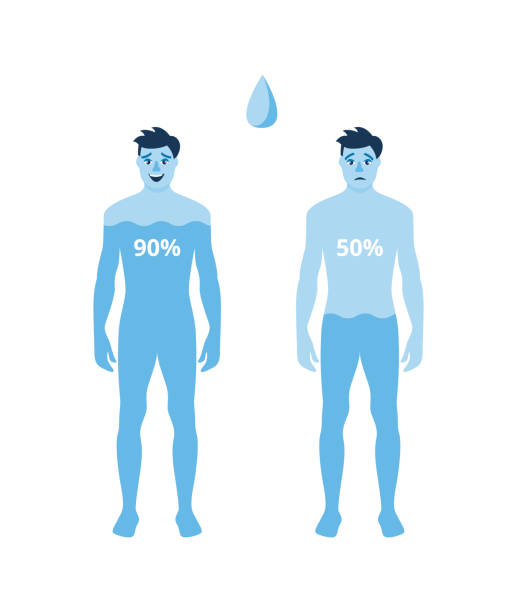
One of the simplest health habits is drinking water soon after waking up. During sleep, the body naturally loses fluids, making morning hydration an easy way to support normal bodily functions.
Water helps transport nutrients, regulate body temperature, and support digestion. Starting the day with a glass of water can also help you feel more alert and refreshed before breakfast.
Many people mistake mild dehydration for fatigue. Maintaining proper hydration throughout the day may improve concentration, energy levels, and overall comfort during daily activities.
Keeping a reusable water bottle nearby serves as a useful reminder to drink regularly. Small efforts to stay hydrated can contribute significantly to overall health and wellness.
Prioritise Quality Sleep Every Night
Sleep plays a crucial role in physical recovery, mental performance, and emotional balance. Yet many people underestimate how much quality sleep influences daily health and productivity.
Creating a consistent sleep schedule helps regulate the body's internal clock. Going to bed and waking up at similar times each day can improve sleep quality and make mornings feel easier.
Reducing screen exposure before bedtime may also support better rest. Bright light from electronic devices can interfere with natural sleep signals and make it harder to fall asleep.
A well-rested body is better equipped to manage stress, support immune function, and maintain healthy energy levels throughout the day. Sleep should be viewed as a health priority rather than a luxury.
Move Your Body Every Day
Daily movement is essential for maintaining physical health. Regular activity supports heart health, muscle strength, flexibility, and overall mobility regardless of age or fitness level.
Exercise does not need to be intense to be beneficial. Simple activities such as walking, stretching, cycling, or light home workouts can provide valuable health benefits when performed consistently.
Movement also supports mental well-being by helping reduce stress and improve mood. Physical activity encourages the release of chemicals that promote feelings of positivity and relaxation.
Finding activities you genuinely enjoy makes consistency easier. The best exercise routine is often the one you can maintain comfortably as part of your daily lifestyle.
Eat More Whole and Nutrient-Dense Foods
Nutrition forms the foundation of good health. Choosing foods rich in vitamins, minerals, fibre, and essential nutrients supports numerous bodily functions and helps maintain long-term wellness.
Whole foods such as fruits, vegetables, whole grains, lean proteins, and healthy fats provide valuable nutrition without excessive processing. These foods often offer greater health benefits than highly processed alternatives.
Making gradual improvements to dietary habits is often more sustainable than following restrictive eating plans. Small adjustments can lead to meaningful nutritional improvements over time.
Balanced eating patterns can support energy levels, digestive health, weight management, and overall well-being. Consistency remains more important than pursuing dietary perfection.
Manage Stress Through Simple Daily Practices
Stress is a normal part of life, but chronic stress can affect both physical and mental health. Developing healthy coping strategies helps reduce its negative impact on daily well-being.
Simple practices such as deep breathing, meditation, journalling, or spending quiet time outdoors can help calm the mind and improve emotional resilience.
Taking short breaks throughout the day allows the body and mind to recover from constant demands. Even a few minutes of intentional relaxation can make a noticeable difference.
Managing stress effectively contributes to better sleep, improved concentration, and healthier relationships. Small moments of mindfulness can support overall health in powerful ways.
Spend More Time Outdoors
Spending time outside offers several health benefits that are often overlooked. Fresh air, natural light, and green spaces can positively influence both physical and mental wellness.
Exposure to natural daylight helps regulate the body's sleep-wake cycle. This can contribute to improved sleep quality and better daytime alertness.
Outdoor activities often encourage movement, whether through walking, gardening, or recreational exercise. Combining physical activity with time in nature can amplify health benefits.
Regular contact with natural environments may also help reduce stress and improve mood. Even brief periods outdoors can provide a refreshing break from daily routines and screens.
Practise Good Personal Hygiene
Personal hygiene is a simple yet powerful habit that supports overall health. Proper hygiene practices help reduce exposure to germs and lower the risk of certain illnesses.
Regular handwashing remains one of the most effective ways to prevent the spread of infections. This small action protects both individual health and community well-being.
Oral hygiene is equally important. Brushing and flossing regularly support dental health and may contribute to better overall health by reducing oral health problems.
Maintaining clean personal habits also promotes confidence and comfort. Consistent hygiene routines form an essential part of a healthy lifestyle that should never be overlooked.
Build Strong Social Connections
Human connection plays a significant role in health and happiness. Positive relationships can provide emotional support, encouragement, and a sense of belonging.
Regular interaction with friends, family members, or supportive communities helps reduce feelings of loneliness and isolation. Social support often becomes especially valuable during challenging periods.
Healthy relationships can encourage positive behaviours, including better stress management, increased physical activity, and improved emotional resilience.
Making time for meaningful conversations and shared experiences strengthens personal connections. Strong social bonds contribute to a healthier and more balanced life overall.
Conclusion
Improving your overall health does not always require dramatic lifestyle changes. Small daily habits, when practised consistently, can create meaningful improvements in physical health, mental well-being, and long-term quality of life.
Simple actions such as staying hydrated, sleeping well, moving regularly, eating nutritious foods, managing stress, spending time outdoors, maintaining good hygiene, and nurturing relationships all contribute to better health.
The key is consistency rather than perfection. By focusing on manageable habits and repeating them each day, you can build a healthier lifestyle that delivers lasting benefits over time.

About Premium Author
This post has been authored and published by one of our premium contributors, who are experts in their fields. They bring high-quality, well-researched content that adds significant value to our platform.


Popular Categories
Stay Connected
Recent Posts